
- Franklin Acupuncture & Herbal Medicine1325 W Main St
Suite 105
Franklin, TN 37064615-756-3122 
Acupuncture
TCM and Seasonal Affective Disorder
Seasonal Affective Disorder, also known as SAD, is a form of depression that affects people all throughout the world. Most commonly experienced during fall and winter months, the symptoms of SAD include depression, hypersomnia, lethargy, difficulty concentrating, negative thoughts and decreased social interaction. Higher levels of anxiety are experienced at the end of the summer season as those who suffer from this ailment start to anticipate the coming months of less sunshine and increased symptomatology. continue reading
Mental and Emotional Aspects of the Lungs
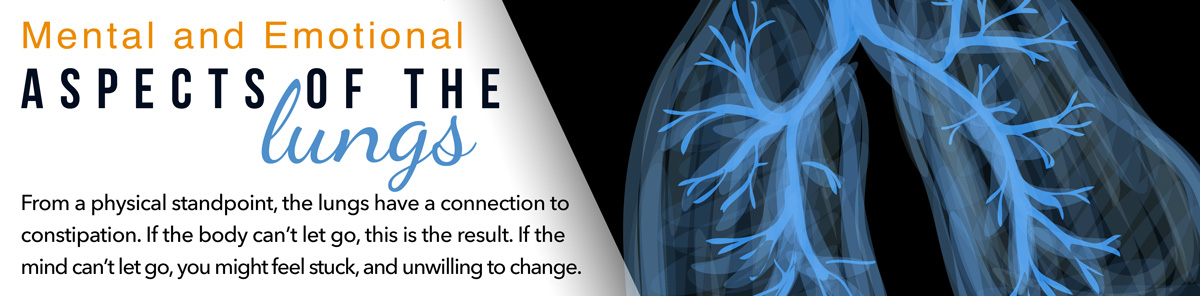
As an acupuncturist, I am constantly assessing. Before my patients answer a single question, I am taking in cues as to what types of imbalances might be going on. In five-element acupuncture, the five major organ systems are the kidney, liver, lung, heart and spleen. When any of these systems are out of balance, certain physical, mental and emotional issues can manifest. Even if you aren’t experiencing a specific health issue, however, you will likely display particular personality traits that fall within these five organ systems. In the five-element world, the lungs are connected to the element of metal. continue reading
Five Reasons Acupuncture Helps Reduce Stress
 Stress is a word many people are familiar with. The dictionary defines stress in multiple ways, but there is only one that matters when we discuss how stress affects our physical bodies. The definition is this, “stress is a physical, chemical or emotional factor that causes bodily or mental tension.” And while most people think of stress as being detrimental, it truly does have a function in our bodies. Stress is the body’s way of signaling for help or a break in the routine. If we don’t listen to these signals, we can develop imbalances in our bodies, which can then lead to illnesses. continue reading
Five Acupuncture Points for Indian Summer
 Acupuncture is part of a medical system that dates back nearly 3,500 years. This medical system is known as Traditional Chinese Medicine or TCM. TCM acknowledges not four but five seasons. The fifth season, Indian Summer, occurs in late August through mid-September. Each season in TCM has a pair of organs or energetic pathways it corresponds to. For Indian Summer, these pathways are those of the spleen and stomach. continue reading
Seven Ways Acupuncture Can Help Men’s Health
Traditional Chinese Medicine (TCM) is a complete medical system that has been around for nearly 3,000 years. It combines nutrition, herbs, acupuncture and other modalities to help keep the body functioning properly, while also treating any ailments that might occur. TCM has been used to treat both men and women, regardless of their age, and TCM is frequently becoming the medical choice for those who prefer to use holistic forms of medicine to heal themselves. continue reading